Discovering Lurik More Closely in Yogyakarta
Admin Kriyanesa
August 19, 2026
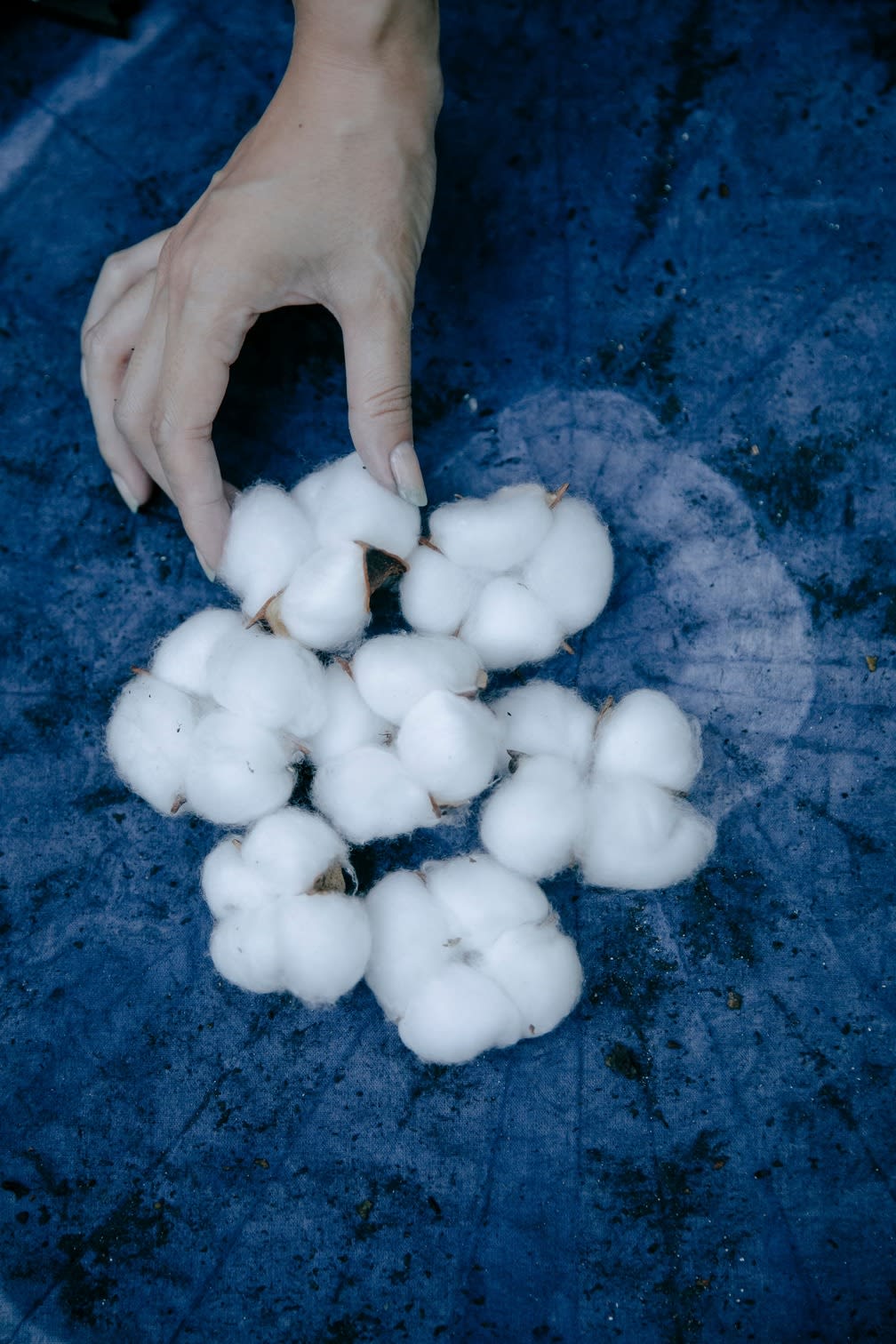
When talking about traditional Indonesian textiles, batik may be the first name that comes to mind. However, Yogyakarta is also home to another fascinating textile tradition: lurik fabric. Recognizable by its simple striped patterns, lurik has a long history and has been part of Javanese life for generations.
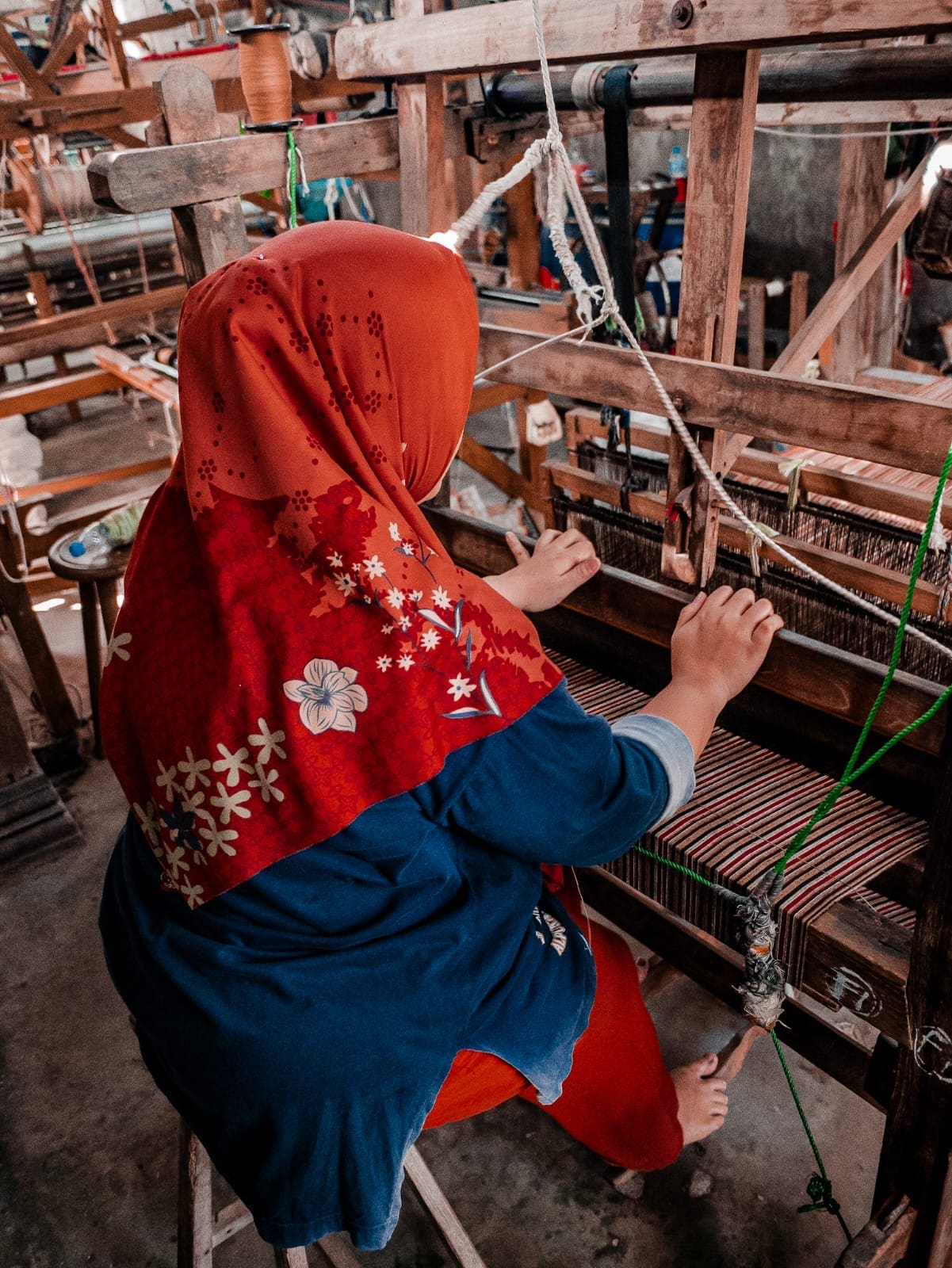
One interesting way to discover this heritage is through a Studio Visit at Dibyo Lurik Krapyak, Yogyakarta. Rather than simply looking at finished textiles, this experience brings visitors closer to the processes, knowledge, craftsmanship, and stories behind the tradition of lurik weaving.
For travelers looking for a cultural experience in Yogyakarta that feels more personal, visiting an artisan's working studio offers a different perspective from conventional sightseeing.
Lurik: A Simple Textile with a Long History
Visually, lurik is easily recognized by its distinctive stripes or checkered patterns arranged in different combinations of colors. Its simplicity is precisely what gives lurik its unique identity and has helped the textile endure through changing times.
In Javanese tradition, textiles are more than just clothing. Patterns, colors, and the ways fabrics are used can be connected to the social and cultural lives of local communities. Learning about lurik therefore opens another window into the history of Indonesian textiles.
The beauty of lurik becomes even more apparent when we go beyond the finished product and discover how individual threads are carefully arranged and transformed into fabric.
Seeing the Weaving Process Up Close
This is one of the highlights of a Dibyo Lurik Studio Visit. Visitors have the opportunity to step closer into the world behind a piece of lurik fabric.
Weaving requires skill, concentration, precision, and an understanding of how threads must be arranged. What may appear simple once transformed into finished fabric is actually the result of a long and meticulous process.
The sound of the loom, rows of threads, movements of the weaver's hands, and the texture of fabric gradually taking shape create a sensory experience that is difficult to gain simply from reading a book or looking at photographs.
A studio visit makes textile knowledge come alive. It helps visitors understand that traditional fabric is not merely a product, but the result of human craftsmanship and knowledge that continues to be preserved.
Meeting the People Behind the Craft
Another reason why an artisan experience in Yogyakarta can be so meaningful is the opportunity to discover the people behind the work.
When visiting an artisan's studio, our attention no longer stops at the question, "Is this fabric beautiful?" Instead, the experience can inspire deeper questions: How is the fabric made? What skills are required? How does the tradition survive? And how do artisans adapt their craft to a changing world?
This interaction is what makes a studio visit different from simply shopping for handicrafts. The textile gains context, meaning, and a story.
From Tradition to a New Generation
Interestingly, discovering lurik is not only about looking into the past. Textile traditions continue to evolve with each generation.
Today, lurik can be found in various contemporary products, from clothing and accessories to interior pieces. This adaptation shows that preserving culture does not necessarily mean keeping everything exactly as it was in the past.
Traditions can remain alive when the knowledge and values behind them are understood, while the ways they are used continue to evolve.
This is why visiting a textile studio can also be relevant for younger generations, designers, students, fashion enthusiasts, and travelers interested in Indonesia's creative industries.
A More Personal Alternative to Yogyakarta Sightseeing
Yogyakarta has no shortage of famous attractions. However, if your journey only takes you to popular landmarks, there is another side of the city that you might never discover.
Visiting an artisan studio offers a more intimate form of creative tourism in Yogyakarta. Instead of observing from a distance, you are invited to get closer to the process, materials, skills, and people who keep these traditions alive.
An experience such as a Studio Visit at Dibyo Lurik Krapyak can be ideal for solo travelers, couples, families, creative communities, and visitors who want to experience Yogyakarta beyond a mainstream itinerary.
Tracing Indonesia Through a Piece of Fabric
Indonesia has an extraordinary wealth of textile traditions. Batik, lurik, songket, ikat, and many other regional textiles represent different chapters in the long history of creativity across the archipelago.
Through a visit to a studio such as Dibyo Lurik, we can begin exploring this heritage through something seemingly simple: watching threads slowly become fabric.
Ultimately, a Studio Visit at Dibyo Lurik Krapyak, Yogyakarta is about more than seeing how lurik is made. It is an opportunity to understand that every textile has a journey, every technique carries knowledge, and behind every piece are people who continue to keep the tradition alive.
If you want to discover Yogyakarta beyond its tourist attractions, try experiencing the city through its makers. You may find that a simple piece of lurik fabric reveals a side of Yogyakarta you have never encountered before.
More Stories
Admin Kriyanesa
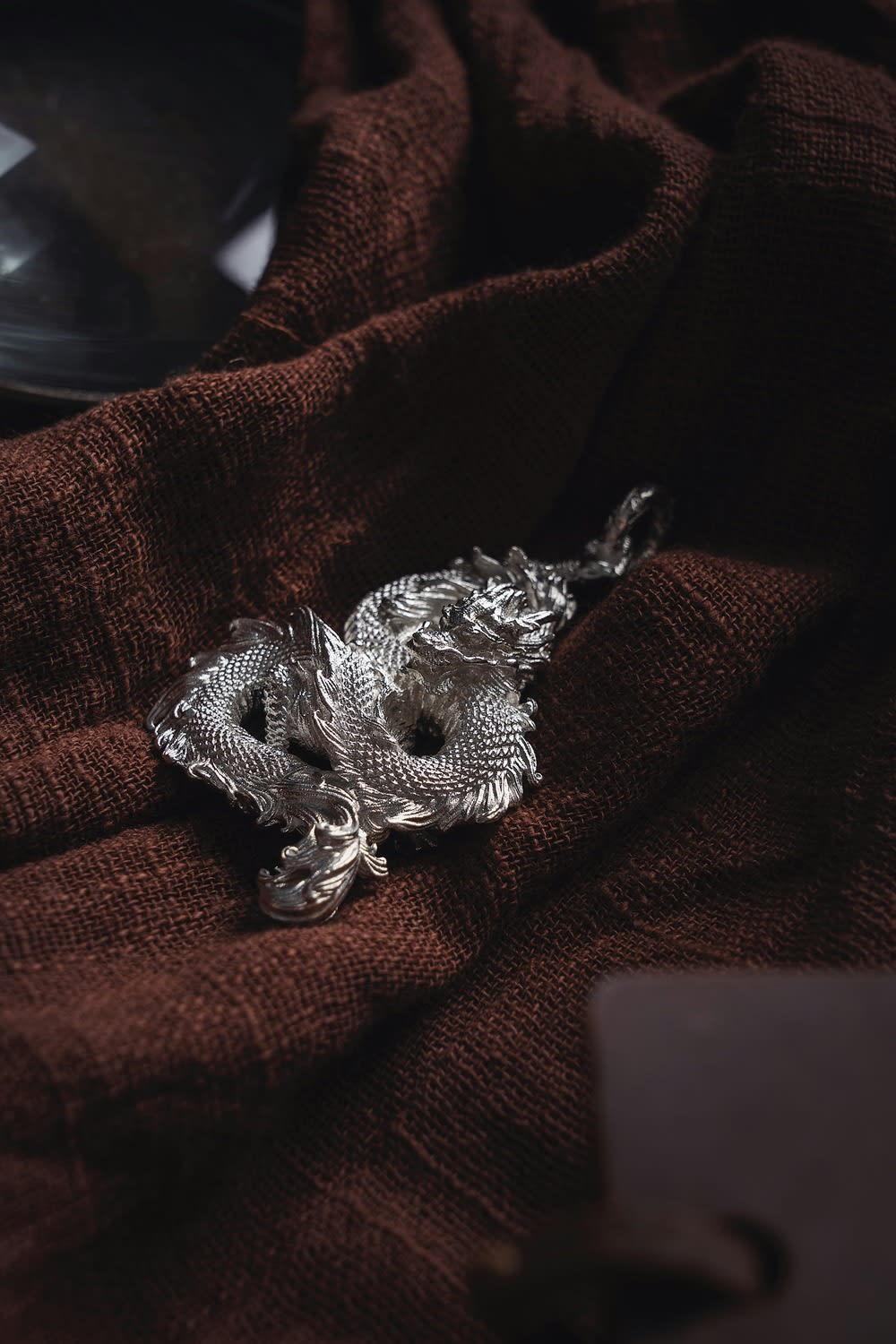
When Metal Meets Fabric: Exploring the Art of Unique Textile Jewelry
Discover fabric jewelry in Jogja, combining lurik, textile scraps, macramé, embroidery, and metal to create unique and sustainable handmade accessories.
Admin Kriyanesa
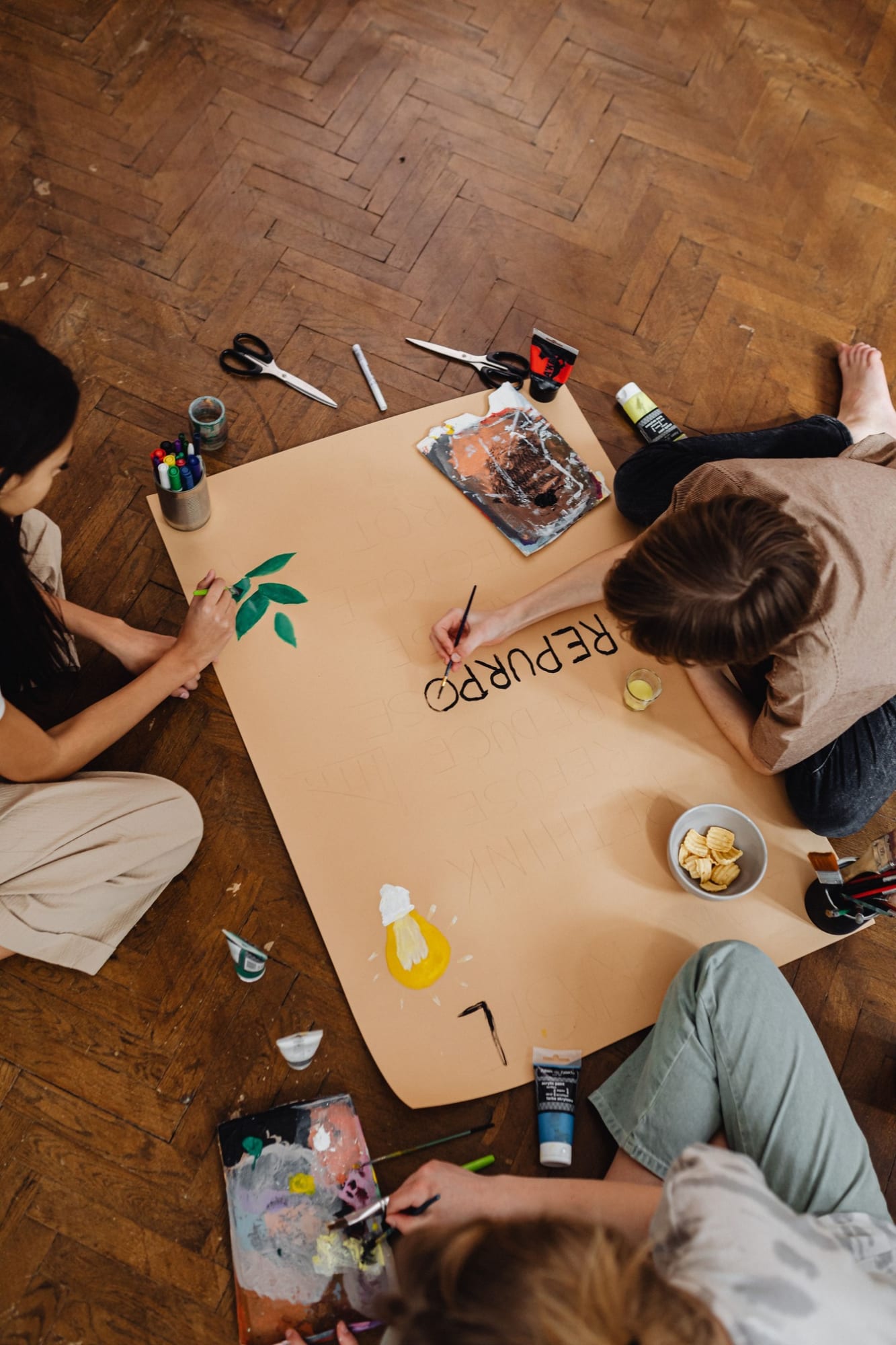
How to Beat Work Burnout: Why Creative Workshops Are the New Trend for Corporate Gatherings
Looking for an off-the-beaten-path corporate gathering in Yogyakarta? Discover how creative workshops can reduce work stress and strengthen team communication.