12 Natural Dye Plants That Are Easy to Find in Indonesia
Tim Redaksi Kriyanesa
November 23, 2026 · 3 min read
Discovering the Beauty of Color from Indonesian Natural Dye Plants
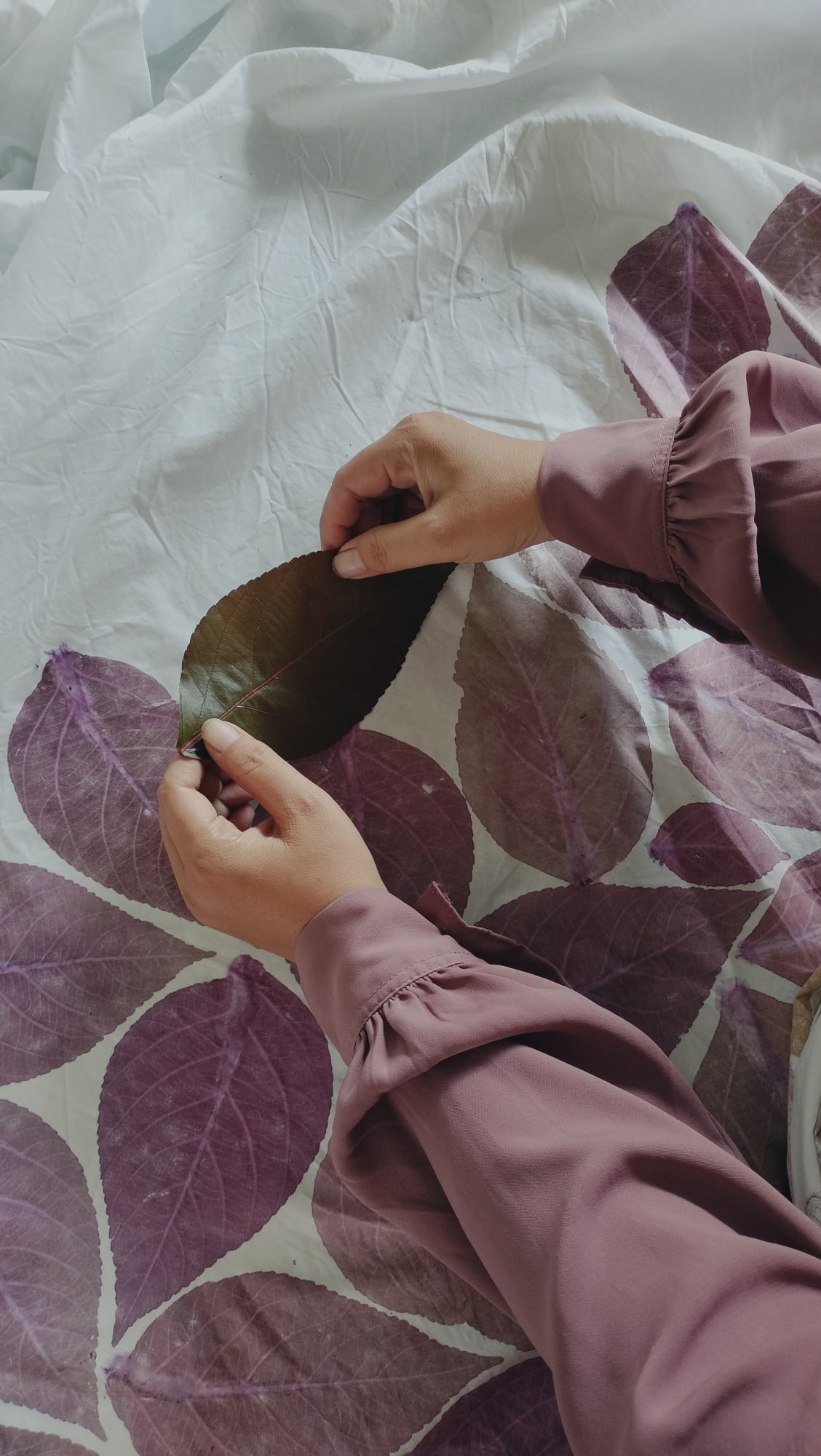
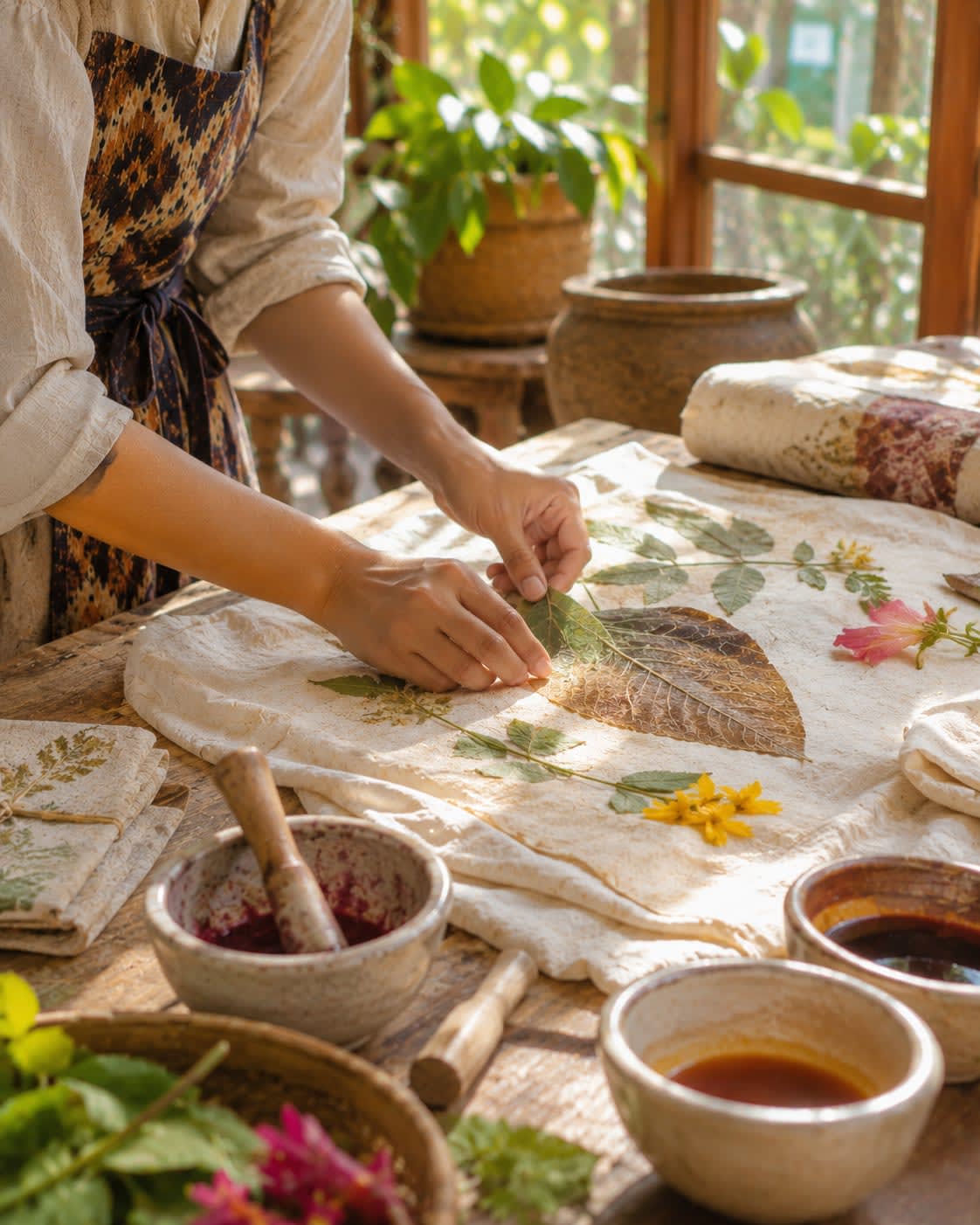
Indonesia's natural wealth is visible not only in its stunning landscapes but also in the diversity of flora that holds extraordinary color pigments. The use of natural dye plants is now regaining interest among artisans, designers, and craft enthusiasts who want to bring an aesthetic and environmentally friendly nuance to their textile work. Using local botanical materials gives a unique, distinctive color character that synthetic materials cannot replicate.
Exploring color from nature opens up great opportunities for anyone who wants to delve into sustainable textile dyeing techniques. From leaves, wood, fruit skins, to roots, every part of the plant offers a fascinating color spectrum, from golden yellow and soft green to warm brown and elegant reddish brown.
“Natural dyeing teaches us to be patient and appreciate the process, because every piece of fabric carries a unique story from the plant that gives it life.”
12 Local Color-Producing Plants for Textile Crafts
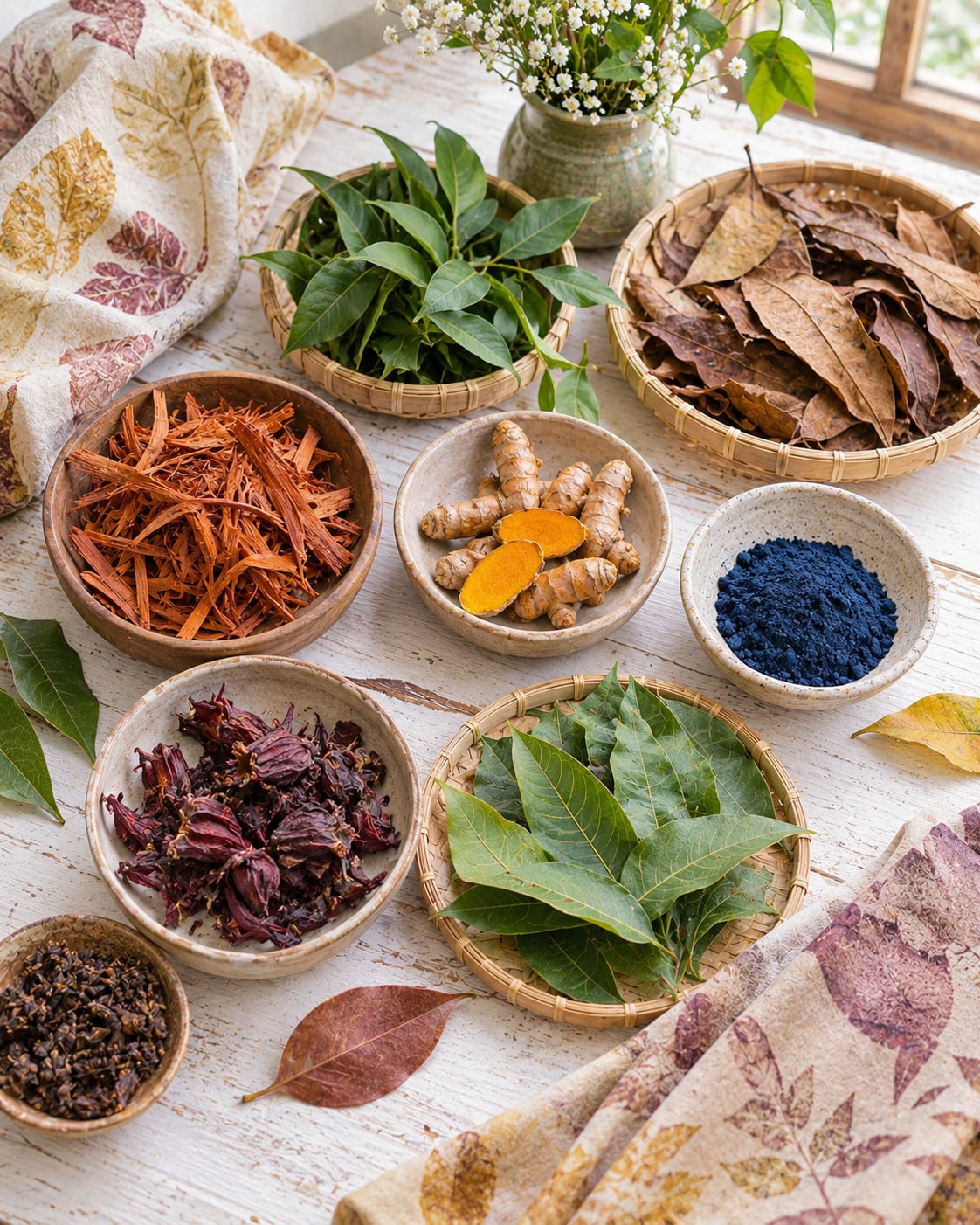
Here are twelve types of plants that are very easy to find in everyday surroundings in Indonesia and are often relied on in natural dyeing techniques:
- Teak leaves (Tectona grandis): Often used in ecoprint techniques to produce brownish-green to bold dark gray colors.
- Sappan wood (Caesalpinia sappan): Shavings of sappan wood produce bright and captivating pink to deep red colors.
- Turmeric (Curcuma longa): Turmeric rhizome is a source of bright yellow color that is very strong and easily absorbed by natural fabric fibers.
- Ketapang / Indian almond leaves (Terminalia catappa): Fallen dried ketapang leaves are often used to create calming light brown to cream colors.
- Kesumba keling / annatto seeds (Bixa orellana): The seeds of this plant provide rich reddish-orange pigments and are often used as a traditional textile dye.
- Mangosteen rind (Garcinia mangostana): Mangosteen rind waste can be extracted to produce an exotic brownish-purple color.
- Indigo leaves (Indigofera tinctoria): The main source of legendary natural blue color in both Indonesian and global textile traditions.
- Jackfruit tree (Artocarpus heterophyllus): The wood of the jackfruit tree produces a warm yellowish-brown color and is often used for traditional woven fabrics.
- Red onion (Allium cepa): The papery skins of red onions, often discarded, actually contain beautiful reddish-brown pigments.
- Tea leaves (Camellia sinensis): A brew of mature tea leaves produces a transparent light brown color that is very suitable for basic dyeing techniques.
- Rose apple (Syzygium jambos): The leaves and bark of rose apple can be processed to produce greenish-brown color tones.
- Butterfly pea / telang flower (Clitoria ternatea): Although more commonly known as a drink ingredient, butterfly pea flower can also give a purplish-blue nuance to certain fabric fibers.
Practical Tips for Processing Natural Dye Plants
Starting the plant color extraction process requires care so that the resulting color adheres perfectly to the fabric and does not fade easily. Here are some practical steps you can try at home or in the studio:
- Preparing Raw Materials: Make sure the plant parts used are clean, washed free of dirt, and cut into small pieces to speed up the pigment release process.
- Extraction Process (Dyeing): Boil the plant materials in enough water for several hours until the water becomes deeply colored, then strain out the solids before using the liquid to soak the fabric.
- Using Mordants: Use natural color-fixing agents or mordants (such as alum, tunjung/iron mordant, or betel lime) to lock in the color so it becomes sharper and longer-lasting on fabric fibers.
Want to try mixing colors from botanical materials yourself and applying them to your fabric art? Join an interactive session with local artisans at Kriyanesa's ecoprint and natural dye workshop in Yogyakarta for an inspiring and enjoyable learning experience.
Try the Creative Experience
More creative experiences with local artisans in Yogyakarta
More Stories
Tim Redaksi Kriyanesa
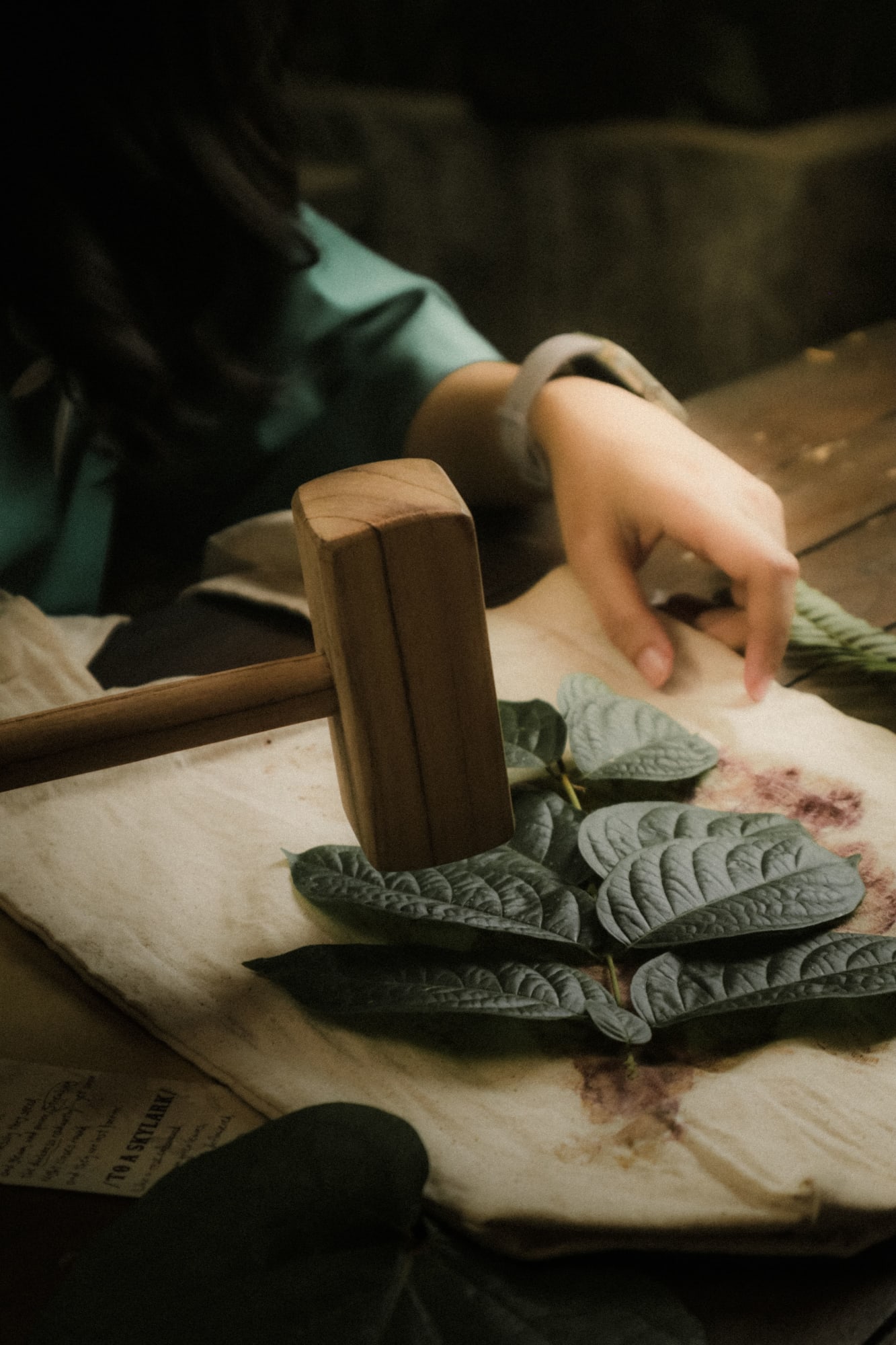
Which Leaves Are Good for Botanical Ecoprint? A List of 15 Leaves and the Colors They Produce
Discover the characteristics of the best leaves, a list of 15 leaf types that produce color for botanical ecoprint, and how to test and collect leaves for beginners.
Tim Redaksi Kriyanesa