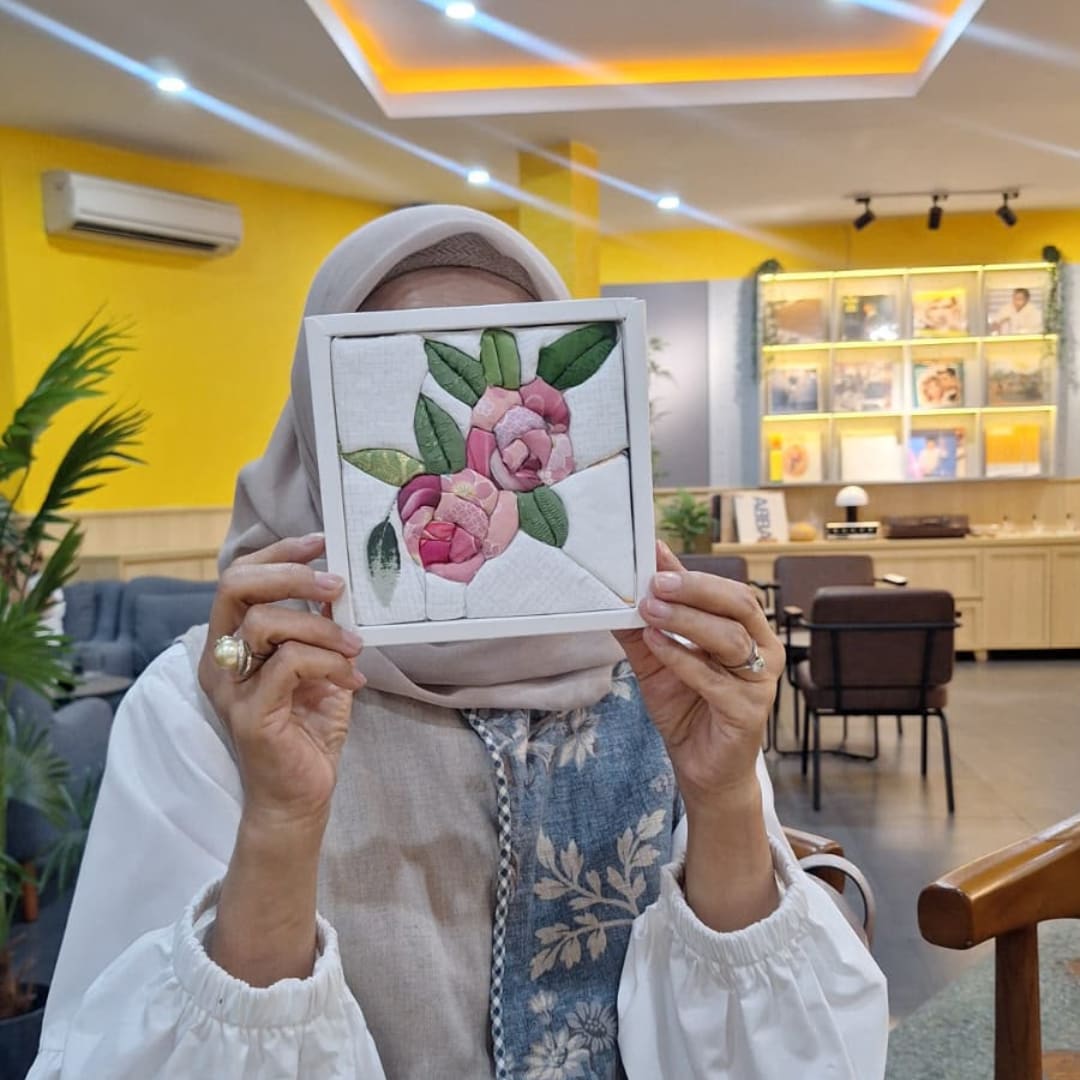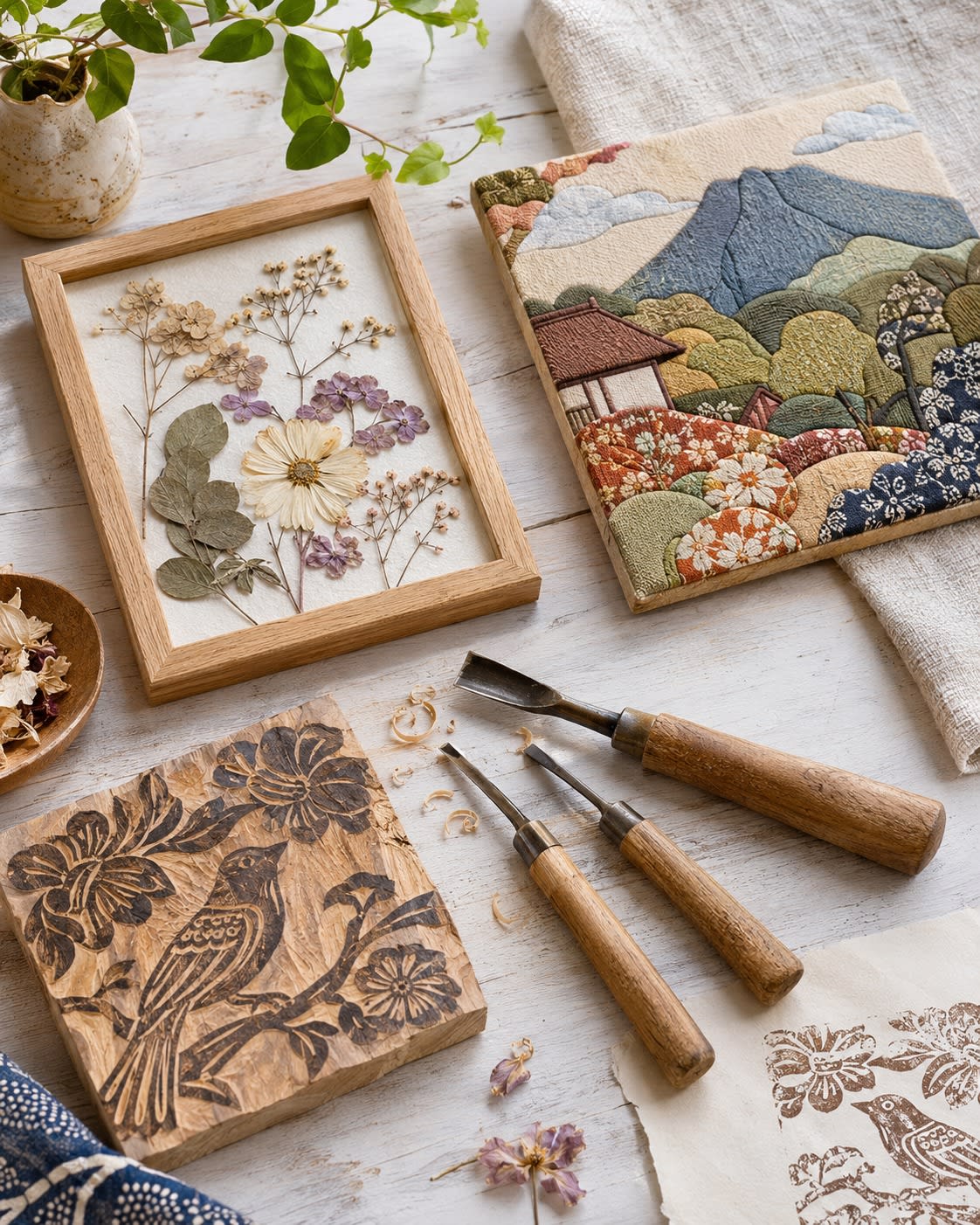
Beginner Kinusaiga Patterns: The Art of Joining Fabric Scraps with Beautiful Corners
Tim Redaksi Kriyanesa
November 26, 2026 · 5 min read
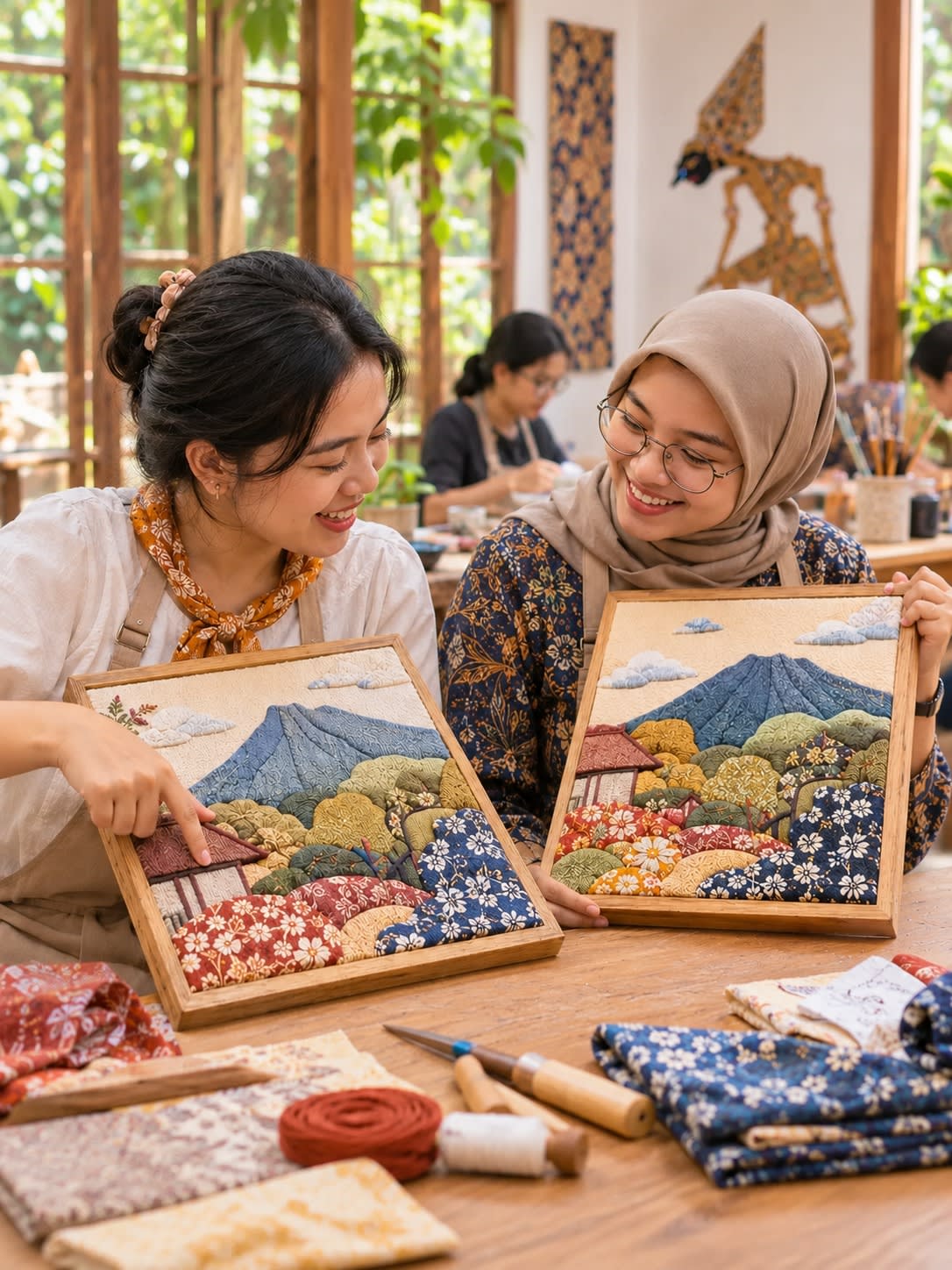
Getting to Know Kinusaiga Patterns for Beginners
Kinusaiga, a unique textile art, offers a creative way to unite pieces of fabric scraps into a harmonious work. For beginners, starting with Kinusaiga patterns can be a very rewarding experience. This art not only teaches precision in cutting and sewing, but also beauty in improvisation and appreciation of detail. This article will guide you step by step to create a simple Kinusaiga pattern, focusing on techniques for handling corners so the final result looks neat and professional, even for hands that are just learning.
The basic concept of Kinusaiga is covering a base surface with layers of fabric scraps that are cut and sewn strategically. It is similar to the patchwork technique, but with an emphasis on structured pattern arrangement and texture. The key to Kinusaiga's beauty lies in how each piece of fabric meets and how small details, such as neat corners, contribute to the overall aesthetic.
Choosing a Simple Pattern: One Window, Two Scraps
To start, let's focus on the most fundamental yet still challenging pattern: the 'One Window, Two Scraps' pattern. This pattern is ideal for beginners because it teaches the basic principles of fabric placement and joining techniques. Imagine a small 'window' in the center of your work, surrounded by two different types of fabric scraps. Choose two fabric scraps with contrasting but still harmonious motifs or colors to create an attractive visual effect.
Preparing Materials and Tools
Before starting, make sure you have everything you need:
- Fabric Scraps: Two types of fabric large enough to cut several squares or rectangles.
- Base Fabric: A larger fabric as a foundation for attaching the scraps.
- Cutting Tools: Sharp fabric scissors or a rotary cutter and cutting mat.
- Measuring Tools: A fabric ruler or tape measure.
- Writing Tools: A fabric marker or easily erasable pencil.
- Needle and Thread: Match the thread color to your fabric, or use a contrasting color for a decorative effect.
- Sewing Machine (Optional): For faster and neater results, but hand sewing is also perfectly possible.
- Iron: Important for pressing each seam.
Steps to Make the 'One Window, Two Scraps' Pattern
- Cut the Base Fabric: Prepare your base fabric. For this pattern, we will make a 'window' in the center. Mark this 'window' area at the desired size, for example 10x10 cm.
- Cut the First Scrap: Cut the first type of fabric scrap into several squares or rectangles. The recommended size is about 5x7 cm. You will need several pieces to surround the 'window'.
- Cut the Second Scrap: Cut the second type of fabric scrap to the same or a slightly different size, depending on the design you want.
- Attach the First Scrap: Starting from one side of the 'window' marked on the base fabric, place the first scrap piece face down, aligning its edge with the marked line. Sew along that marked line.
- Open and Iron: After sewing, open the scrap outward. Iron so the seam is neat and the fabric lies flat on the base fabric.
- Attach the Second Scrap: Continue with the second type of scrap. Place it on the adjacent side of the 'window', face down, and sew along the marked line. Open and iron.
- Repeat the Process: Keep adding scrap pieces alternately around the 'window' until the entire surrounding area is covered with layers of fabric. Make sure every seam is ironed neatly.
“Every stitch is a story, and every neat corner is proof of patience and precision.” - Local Textile Craft Artisan
Overcoming Bulging Corners: The Instructor's Repair Technique
One of the biggest challenges for beginners in Kinusaiga art is how to handle the corners where pieces of fabric meet. Often, these corners become thick, bulging, and look untidy. Our craft instructors often emphasize the importance of repair techniques to overcome this problem, ensuring a smooth final result.
Corner-Cutting Technique for Neat Results
The key technique to avoid bulging corners is to cut a little at the corner before you sew it.
- Preparation Before Sewing: When you place the second scrap piece over the first scrap that has been sewn and ironed, pay attention to the corner area where the four layers of fabric will meet.
- Cut the Corner Diagonally: Before sewing, use small sharp scissors to cut a little at the corner of both layers of fabric that will meet. Cut diagonally, about 1–2 mm from the corner meeting point. This will reduce thickness in that area.
- Sew Carefully: Sew as usual, but make sure your stitching is precise along the marked line.
- Open and Iron Properly: After sewing, open both fabric pieces. Use the tip of your iron to press the corner flat. If it still feels thick, you can cut a little more of the excess fabric inside the seam (do not cut the stitching).
- Check the Result: Turn your work over and check the corner. With this technique, the corner should look flatter and neater, without disturbing bulges.
Additional Tips from Instructors
- Use the Right Thread: Choose a thread that is strong but not too thick. Good-quality cotton thread is often the main choice.
- Stitch Spacing: Try to keep stitch spacing consistent, about 2–3 mm from the fabric edge.
- Layering Technique: When layering fabrics, make sure no wrinkles or folds are trapped underneath.
- Practice, Practice, Practice: The more often you practice, the more your hands become accustomed to stitching precision and corner handling.
Why Is Kinusaiga Attractive for Beginners?
Kinusaiga offers more than just a craft activity. It is an active meditation that trains patience, precision, and appreciation for beauty in small things. With a simple pattern like 'One Window, Two Scraps', you can immediately feel the satisfaction of creating something beautiful from pieces of fabric that might previously have been considered useless. The beauty of neat corners, color harmony, and the fabric texture created will become a source of personal pride.
For those of you interested in deepening your knowledge of Kinusaiga art and learning practical techniques directly from local artisans, Kriyanesa offers various workshop options suitable for beginners. Don't miss the opportunity to experience the wonder of this textile art firsthand!
Try the Creative Experience
More creative experiences with local artisans in Yogyakarta