Getting to Know Lurik Jogja: History, Classic Motifs, and the Meaning Behind Traditional Weaving
Tim Redaksi Kriyanesa
November 16, 2026
Exploring the Timeless Charm of Lurik Jogja
Traditional woven fabric has never lost its place in the hearts of art lovers and collectors of Indonesian archipelago culture. Among the many types of Nusantara textiles, lurik Jogja holds a very special place. The simple lines neatly arranged in characteristic colors carry a long story about identity, perseverance, and the noble life philosophy of the people of Yogyakarta. As one of the oldest textile heritages on the island of Java, lurik is not merely a piece of clothing fabric but a wearable work of art that records the passage of time.
For culture enthusiasts and craft observers, understanding lurik means delving into the philosophy behind every strand of its thread. This article invites you to get better acquainted with what lurik is, its historical background in Yogyakarta, its variety of classic motifs, the production process using a Non-Machine Loom (ATBM), and how to care for it so it remains durable and highly valued.
What Is Lurik and What Is Its Background in Yogyakarta?
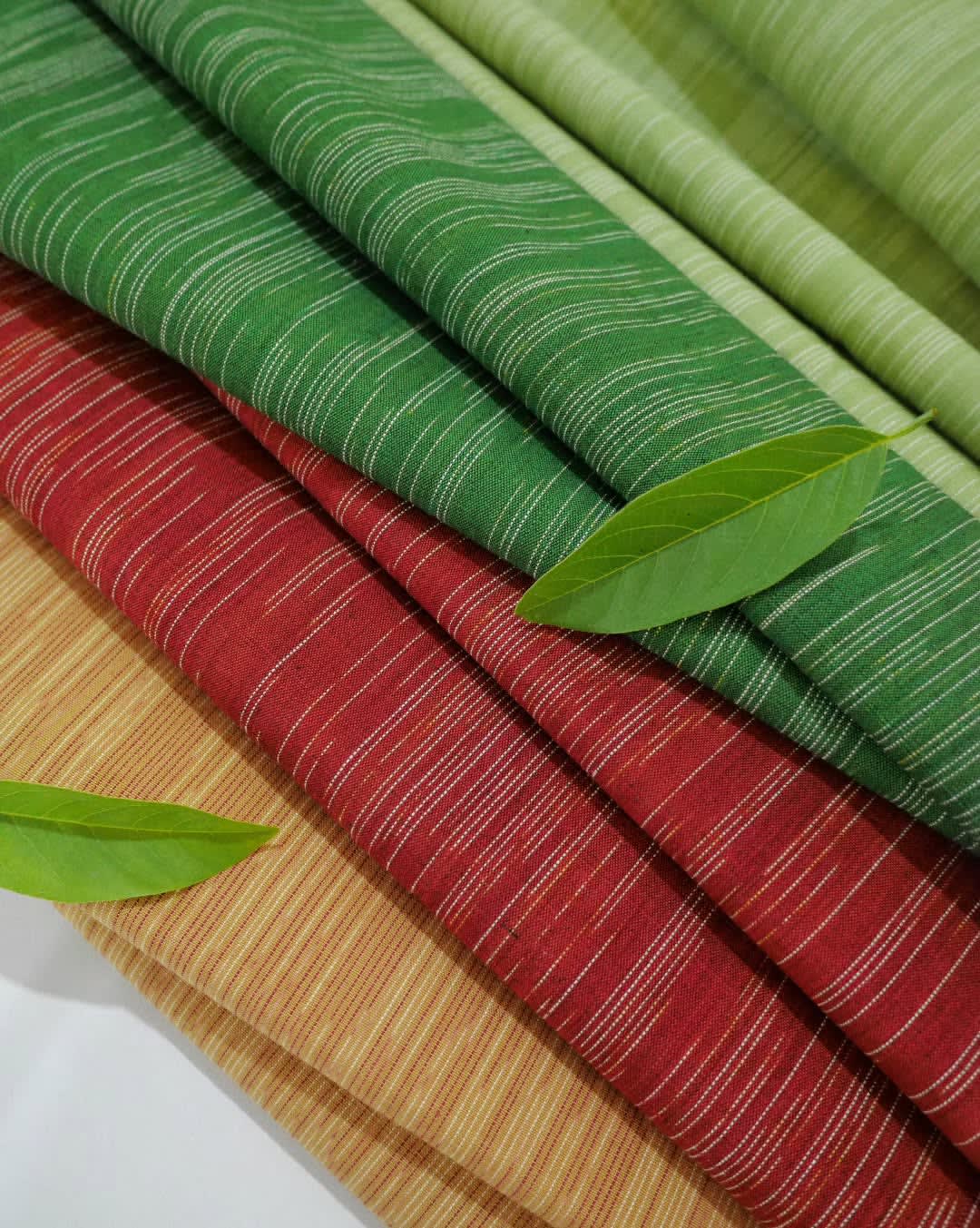
Etymologically, the word 'lurik' comes from Javanese 'lurik', meaning lines or stripes. This striped or small-checked motif is its main characteristic. In historical records, lurik fabric has been mentioned in various ancient Javanese manuscripts, and even reliefs at several major temples in Java show clothing forms resembling lurik patterns.
In Yogyakarta, the development of lurik is closely tied to the history of the Sultanate. In the past, lurik was the clothing of common people as well as daily attire for keraton abdi dalem (palace servants). Over time, this fabric transformed from merely functional textile into a symbol of elegant simplicity, now widely applied in contemporary fashion, interior decoration, and modern craft.
The Philosophy and Variety of Classic Lurik Jogja Motifs
The beauty of lurik lies not in the grandeur of its patterns but in the harmony of its colors and the depth of its meaning. Each motif is created with a particular prayer and hope for its wearer. Here are some popular classic motifs:
Sodo Lanang Motif: Resembles straight lines like palm ribs or the back of a grasshopper, symbolizing firmness, honesty, and a straight path in life.
Kembang Pepaya Motif: Features a geometric pattern resembling papaya flowers, symbolizing life's bitterness that brings goodness and wisdom.
Tumbar Wungkuk Motif: Inspired by the shape of a split coriander seed, symbolizing humility and an open mind.
Lasem and Pitik Kurik Motifs: Cross-line ornaments reflecting the closeness of agrarian communities to the natural surroundings.
The Process of Making Lurik with a Non-Machine Loom (ATBM)
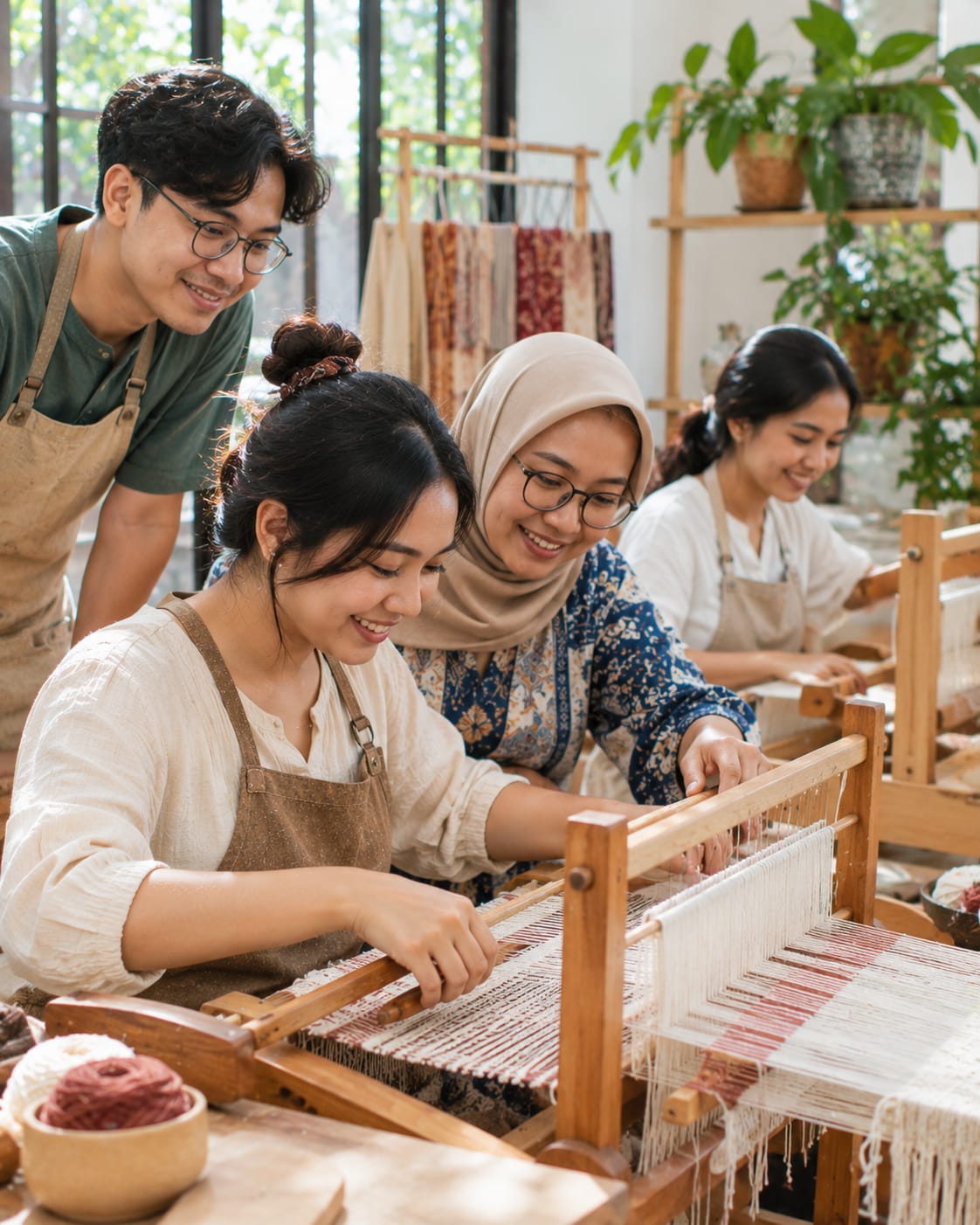
The process behind a piece of high-quality lurik fabric is a captivating display of perseverance and artistry. Modern production generally relies on a Non-Machine Loom (ATBM) that preserves the manual touch of local weavers.
These are the main stages in the lurik weaving process:
Njlujur and Nyucuk: The process of inserting the weft thread into the loom and arranging the warp threads according to the desired motif design pattern.
Njawil and Nothol: The thread-coloring preparation stage to create precise combinations of vertical and horizontal lines.
Weaving Process: Moving the shuttle containing the weft thread alternately right and left through the gaps between the warp threads, producing a strong and dense fabric weave.
"The true beauty of lurik weaving lies in the honest imperfection of human hands; every beat of the loom is the heartbeat of a tradition that keeps living."
How to Distinguish Authentic Lurik and Care for It Properly
With the growing popularity of traditional fabrics, it is important for collectors to recognize authentic lurik. Genuine woven lurik usually has a slightly denser thread texture, stripe motifs that show through to the back of the fabric, and the distinctive scent of natural dyes or selected cotton threads.
To keep your lurik collection beautiful and durable, consider the following care tips:
Gentle Washing: Use a detergent specially formulated for delicate garments or lerak (soapnut), and avoid using a washing machine on a high spin cycle.
Avoid Direct Sunlight: When drying, turn the fabric inside out and place it in a shaded area so the colors do not fade quickly.
Dry Storage: Store in a dry and clean wardrobe. Avoid excessive use of chemical mothballs that can damage natural cotton fibers.
Getting Closer Through a Visit to a Weaving Studio
Learning about history and theory alone is certainly not enough to respond to the beauty of this craft art. Visiting a local weaving studio in Yogyakarta directly offers an extraordinary sensory experience: hearing the rhythmic sound of ATBM looms, smelling the aroma of cotton threads, and seeing firsthand the skilled hands of artisans arranging colors.
If you are interested in experiencing weaving firsthand and understanding traditional textile art in depth, join an interactive session with local artisans. Find schedules and register for selected batik and weaving workshop sessions through the Kriyanesa platform for an authentic and meaningful creative experience.
Try the Creative Experience
More creative experiences with local artisans in Yogyakarta
More Stories
Tim Redaksi Kriyanesa
The Art of Natural Dyes from Plants: A Complete Guide to Types, Colors, and Techniques
Discover the plants that yield natural dyes for fabric, the colors they produce, mordants, and how to get started at home.
Tim Redaksi Kriyanesa
